Spring in Denver: Weather, Activities, and Lifestyle Guide
Spring in Denver brings dramatic weather shifts, outdoor activity opportunities, and neighborhood transformation that shapes the city's character from March through May. Understanding Denver's spring patterns helps residents and newcomers make informed decisions about housing, lifestyle, and seasonal planning.
Denver's spring weather defies simple categorization. March remains the city's snowiest month with an average of 8.8 inches, while May typically delivers the warmest temperatures and most rainfall. This three-month period encompasses genuine winter storms, emerging warm days reaching the 70s, and unpredictable shifts that can bring both scenarios within 24 hours.
The season's variability creates unique challenges for property owners and advantages for outdoor enthusiasts. Spring storms provide crucial mountain snowpack supporting summer water supplies and ski season extensions, while warming trends activate the city's extensive outdoor recreation infrastructure and cultural event calendar.
Denver Spring Weather Patterns
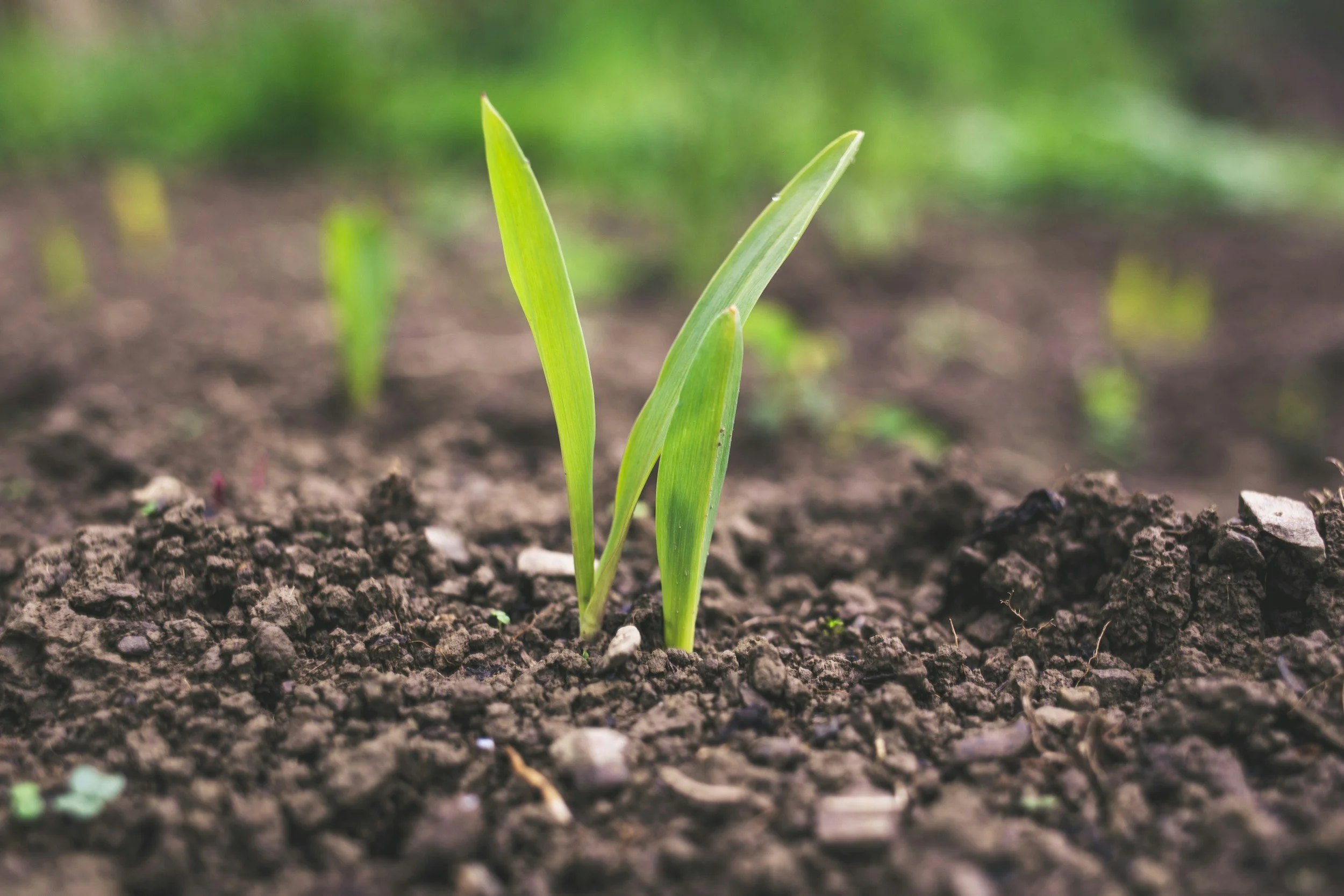
March begins Denver's meteorological spring, though winter conditions persist throughout the month. Average temperatures start around 50°F for highs and 22°F for lows, climbing to 58°F and 30°F by month's end.
The city typically experiences 24 days with freezing temperatures during March, though afternoon warmth melts accumulated snow rapidly. This creates that classic Colorado pattern where you're shoveling in the morning and wearing shorts by afternoon.
March delivers Denver's heaviest snowfall of the year. Historical data shows the month averaging 8.8 to 11.5 inches depending on measurement period, with the record March bringing 35.2 inches in 2003. These spring storms differ from winter events, typically featuring heavier, wetter snow that melts quickly rather than accumulating for extended periods.
April transitions Denver toward genuine spring conditions. Average highs climb into the low 60s and lows settle in the mid-30s. The month averages about 1.7 inches of precipitation, increasingly falling as rain rather than snow.
However, April remains Denver's second-snowiest month, capable of delivering significant accumulation particularly early in the month. Don't pack away your shovel just yet.
Daylight increases substantially during spring, growing from 11 hours 20 minutes in early March to over 14 hours by late May. This extended sunlight combined with Denver's 300 annual sunshine days creates rapid warming cycles that dry roads and trails quickly after storm events.
May completes spring's transformation. Consistent warmth arrives with average highs in the low 70s. The month typically receives the most spring precipitation at approximately 2.4 inches, though this falls primarily as rain supporting grass growth and garden establishment.
Late May occasionally delivers final snow dustings, but accumulation rarely persists beyond sunrise. By Memorial Day, summer has essentially arrived.
Spring Activities and Recreation
The Denver Botanic Gardens showcase spring's progression through 23 acres of themed gardens. Cherry blossoms typically peak in late March through mid-April, while tulips and other spring bulbs create vibrant displays extending into May.
The gardens host educational programs and photography opportunities throughout the season, attracting both residents and visitors seeking respite from urban environments. It's genuinely one of Denver's best spring destinations.
Trail systems throughout Denver metro reopen as snow melts. The Cherry Creek Trail provides 40 miles of paved path extending from downtown to Cherry Creek Reservoir, accommodating cyclists, runners, and walkers. The South Platte River Trail offers similar urban-to-nature access, connecting downtown to foothills communities through 35 miles of maintained pathway.
Spring skiing remains viable through April and occasionally into May at nearby resorts. Arapahoe Basin typically extends operations into June, featuring afternoon temperatures conducive to t-shirt skiing while maintaining quality snow conditions on north-facing runs.
The combination of late-season snow and extended daylight creates unique spring skiing opportunities within 90 minutes of Denver. You'll find locals in tank tops and sunscreen schussing down perfectly groomed corduroy under bluebird skies.
Baseball season begins with Colorado Rockies home games at Coors Field starting in early April. The stadium's location in downtown's LoDo district creates walkable access from surrounding neighborhoods, while its orientation provides spectacular mountain views from upper decks.
Spring games offer comfortable temperatures and smaller crowds compared to peak summer attendance. Even if the Rockies aren't having their best season, there's something perfect about an April afternoon at the ballpark with a Rockie Dog and cold beverage.
Red Rocks Amphitheatre opens its concert season in April, hosting performances through October in one of the world's most distinctive outdoor venues.
The venue also provides daily access for hiking, with visitors climbing the signature stone stairs for exercise while enjoying panoramic Front Range views. Morning yoga sessions begin in May, combining fitness with natural acoustics. Even without a concert, Red Rocks deserves a visit during spring when crowds are manageable and weather is ideal.
Spring Festivals and Cultural Events
Denver's Cinco de Mayo celebration ranks among the nation's largest, attracting over 400,000 visitors to Civic Center Park. The two-day festival features three stages of live music, traditional dance performances, food vendors, and cultural exhibits celebrating Latino heritage.
The lowrider car show draws regional participants displaying custom vehicles representing decades of automotive culture. It's loud, colorful, delicious, and absolutely worth attending.
The Denver Arts Festival transforms Central Park's Conservatory Green each Memorial Day weekend, gathering over 140 artists showcasing paintings, sculpture, photography, glass, and mixed media works. The juried event emphasizes Colorado artists while including select national and international participants.
Food trucks, craft beverage gardens, and live music complement the visual arts focus. It's become one of those weekend traditions that defines Denver spring for many residents.
Cherry Creek Arts Festival occurs Memorial Day weekend as well, featuring over 200 artists in the upscale Cherry Creek neighborhood. This three-day event combines fine art sales with chef demonstrations, wine tastings, and family activities. The festival's location allows visitors to combine art appreciation with shopping at nearby Cherry Creek Shopping Center.
Denver Restaurant Week extends beyond a week, typically running 10 days in late February through early March. Over 200 participating restaurants offer multi-course menus at fixed prices, providing opportunities to experience establishments that might otherwise exceed casual dining budgets.
The event has expanded to include separate summer and fall editions, but the spring iteration remains most established. It's a smart way to try restaurants you've been curious about without the usual price tag.
The Denver Chalk Art Festival gathers over 200 artists creating temporary sidewalk masterpieces throughout Larimer Square. Visitors watch artists work throughout the weekend while voting for favorites in various categories.
The event's free admission and family-friendly atmosphere attract diverse crowds experiencing public art creation in real time. Bring the kids and a camera.
Spring Real Estate Market Dynamics
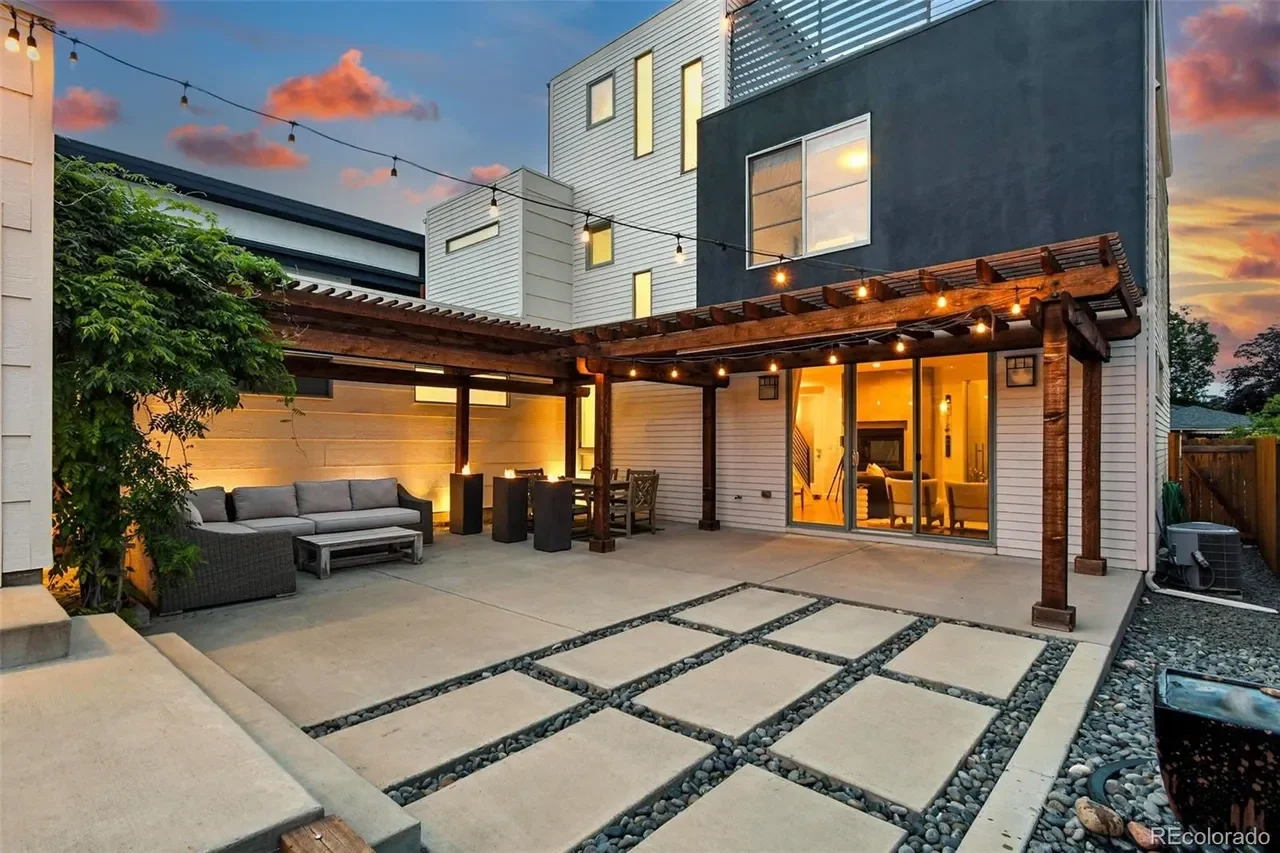
Spring represents Denver real estate's most active season, with inventory typically peaking in May and buyer activity intensifying from March onward. Families targeting moves before the next school year drive significant transaction volume, while improving weather facilitates property showings and inspections that winter conditions complicated.
Properties listed in April and May benefit from maximum buyer attention and typically achieve faster sales at stronger prices compared to other seasons. Curb appeal reaches its peak as landscaping emerges from dormancy, while extended daylight permits evening showings accommodating working buyers' schedules.
The spring market's competitiveness requires preparation for buyers hoping to secure properties in desirable neighborhoods. Multiple offer situations occur frequently on well-priced listings, particularly in areas with highly-rated schools or exceptional recreational access.
Understanding property values and neighborhood dynamics before spring inventory peaks provides decisive advantages. You don't want to be the buyer who falls in love with a property only to discover you're competing against six other offers with better preparation.
Outdoor space valuation increases substantially during spring months as buyers visualize summer use of yards, patios, and nearby parks. Properties with established landscaping, functional irrigation systems, and south-facing outdoor areas command premiums over comparable homes lacking these features.
The seasonal valuation shift affects both sale prices and time on market. A home that languished in February suddenly attracts multiple offers in April once buyers can actually see the yard and imagine using the patio. For families evaluating neighborhoods, our comprehensive guide to best neighborhoods in Denver for families provides detailed insights on community characteristics and school performance.
New construction absorption accelerates during spring as buyers previously deterred by winter site visits engage with developments. Builders typically release new phases and floor plans timed to capture spring demand, creating opportunities for buyers seeking modern finishes and warranties but requiring decisions before summer construction deadlines.
Our analysis of new build Denver properties examines current development locations and builder positioning across the metro area.
Spring Home Maintenance Priorities
Foundation inspection becomes critical after winter freeze-thaw cycles potentially created or expanded cracks. Denver's clay soils experience significant expansion and contraction with moisture changes, stressing foundation walls and creating entry points for water infiltration.
Early spring assessment allows repairs before summer's intense storms test structural integrity. It's not exciting, but it's a lot cheaper than dealing with water in your basement come July.
Sprinkler system activation requires careful attention following winter shutdown. Broken heads, damaged lines, and controller malfunctions commonly emerge during spring startup, with replacement costs escalating if undetected leaks waste water throughout the season. Professional system checks typically cost less than unmetered water waste from minor leaks running months.
Roof assessment following winter and spring storms identifies damaged shingles, compromised flashing, and potential leak sources before summer monsoons arrive. Denver's hail exposure makes spring roof inspection particularly important, as minor damage from early-season storms worsens rapidly under summer's intense UV exposure and afternoon thunderstorm activity.
Get up there with binoculars if you're not comfortable on the roof, or hire someone who does this professionally. Missing shingles after a March windstorm won't fix themselves.
Exterior painting becomes viable as temperatures consistently exceed 50°F, typically by mid-April in most metro locations. Spring's moderate temperatures and lower humidity create ideal painting conditions compared to summer's intense heat or fall's shortening daylight.
Properties requiring exterior work benefit from spring scheduling before contractor calendars fill with summer projects.
HVAC system servicing before summer cooling demands identifies potential failures when repair schedules remain manageable. Spring service calls cost less and complete faster than emergency repairs during July heat waves when contractor demand peaks.
Air conditioning system failures during peak cooling season can damage temperature-sensitive property contents beyond the repair cost itself. Plus, you really don't want to be without AC during a Denver heat wave.
Spring Neighborhood Character Shifts
Washington Park experiences dramatic activity increases as spring weather attracts residents to its lakes, paths, and open spaces. Weekend crowds gathering for recreation, socializing, and events transform the park from winter's quiet atmosphere into summer's vibrant gathering place.
This seasonal character shift affects surrounding property values and rental demand significantly. By May, you can barely find parking on sunny weekends. For additional context on Denver's premier neighborhoods, explore our overview of living in Denver considerations.
Cherry Creek's outdoor dining transforms the neighborhood's restaurant scene, with patios activating along sidewalks creating European-style cafe culture. The area's walkability and concentration of dining options make spring evening strolls particularly appealing, driving both property values and commercial lease rates for ground-floor retail spaces.
Highland's business district along West 32nd Avenue sees similar outdoor activation, though with more casual, neighborhood-oriented character compared to Cherry Creek's upscale positioning. Local breweries, coffee shops, and restaurants extend operations onto sidewalks and parking areas, creating community gathering spaces that define the neighborhood's identity.
RiNo's outdoor art installations and murals receive renewed attention as spring weather encourages walking tours and outdoor gallery events. The neighborhood's industrial character and expansive walls accommodate large-scale artworks that become seasonal attractions, driving weekend visitor traffic and supporting local businesses.
Spring Commuting and Transportation
Spring weather variability creates unpredictable commute conditions, particularly during March and early April when major snowstorms can occur without extended warning. I-25 through Denver experiences severe congestion during and immediately after storm events as traffic volumes exceed reduced capacity created by snow and ice.
That's Colorado spring for you: 70 degrees on Tuesday, six inches of snow on Wednesday, back to sunshine by Friday.
RTD light rail provides reliable spring commuting alternatives, operating on schedule regardless of road conditions. The system's extensive coverage connecting downtown, Denver International Airport, and suburban communities makes it particularly valuable during spring's storm potential.
Monthly passes provide cost advantages over automotive commuting when calculating parking, fuel, and vehicle wear.
Bicycle commuting becomes viable as temperatures moderate and daylight extends. Denver's 850 miles of trails and bike lanes support cycling for both recreation and transportation, with spring representing the optimal season for establishing riding habits before summer heat arrives.
Many neighborhoods feature bike share stations facilitating short-distance trips without bicycle ownership. You'll see the city's bike infrastructure really come alive in April and May.
Spring storm preparation remains essential through early May, despite increasing warm days suggesting winter's complete departure. Vehicle emergency kits, flexible work arrangements permitting weather-dependent schedule adjustments, and awareness of alternative routes around typical congestion points all contribute to managing spring's transportation challenges.
Don't let a 75-degree April afternoon convince you to swap your snow scraper for beach gear just yet. Denver's given us measurable snow as late as June.
Making the Most of Spring in Denver
Spring in Denver rewards those who embrace the season's variability rather than resist it. The same weather systems delivering March snowstorms create the mountain snowpack supporting summer recreation and water supplies. The temperature swings that complicate wardrobe decisions also dry trails and roads rapidly, extending outdoor access compared to climates with prolonged mud seasons.
Property decisions incorporating spring's character provide advantages year-round. Homes with covered outdoor spaces remain useful during spring's variable weather, while properties near trail systems maximize access during the season's optimal hiking and cycling conditions.
South-facing orientations that reduce winter heating costs also accelerate snow melt and extend patio season at both ends. These details matter more than many buyers initially realize.
Understanding spring's impact on neighborhood dynamics helps evaluate communities beyond summer's peak appeal. Areas heavily dependent on warm-weather outdoor activity may feel less vibrant during spring's transitional period, while neighborhoods with strong indoor cultural amenities or diverse business districts maintain consistent activity regardless of weather shifts.
Denver's spring combines genuine winter conditions with emerging warm-weather opportunities, creating a season requiring both flexibility and preparation. The period's complexity affects everything from daily wardrobe selections to long-term property investment decisions, making informed understanding valuable for both current residents and prospective newcomers.
After two decades helping clients navigate Denver's real estate market through all seasons, we understand how spring conditions affect property values, neighborhood dynamics, and lifestyle considerations. Whether you're evaluating spring's optimal timing for property transactions or seeking neighborhoods that excel during the season's variable conditions, professional guidance proves valuable.
Contact Urban Ground Homes to discuss how spring weather patterns, activity opportunities, and market dynamics should influence your Denver real estate decisions. Our comprehensive market knowledge helps clients make informed choices that deliver satisfaction across all seasons, not just the months immediately following a purchase.
For additional insights on suburban communities surrounding Denver, explore our detailedDenver suburbs list examining over 15 distinct areas and their unique spring characteristics.