Winter Denver: Your Complete Guide to the Premier Cold Weather Season
Winter Denver offers a distinctive lifestyle that sets it apart from other major metropolitan areas. The city's unique combination of 300 days of annual sunshine, world-class mountain access, and thriving urban culture creates an unmatched cold-weather experience. Average winter temperatures hover in the mid-40s during the day, with the nearby Rocky Mountains receiving over 300 inches of snow annually just 90 minutes from downtown.
This seasonal contrast defines what makes Denver exceptional. You can ski fresh powder in the morning and dine on a sunny restaurant patio by afternoon. The city's mile-high elevation and dry climate produce winters that feel markedly different from humid cold-weather destinations, creating a lifestyle that attracts discerning buyers who value both outdoor recreation and sophisticated urban amenities.
Understanding winter Denver becomes essential whether you're considering relocation or evaluating neighborhoods for investment. The season shapes everything from real estate values to community character, making it a critical factor in long-term property decisions.
The Reality of Winter Denver Weather
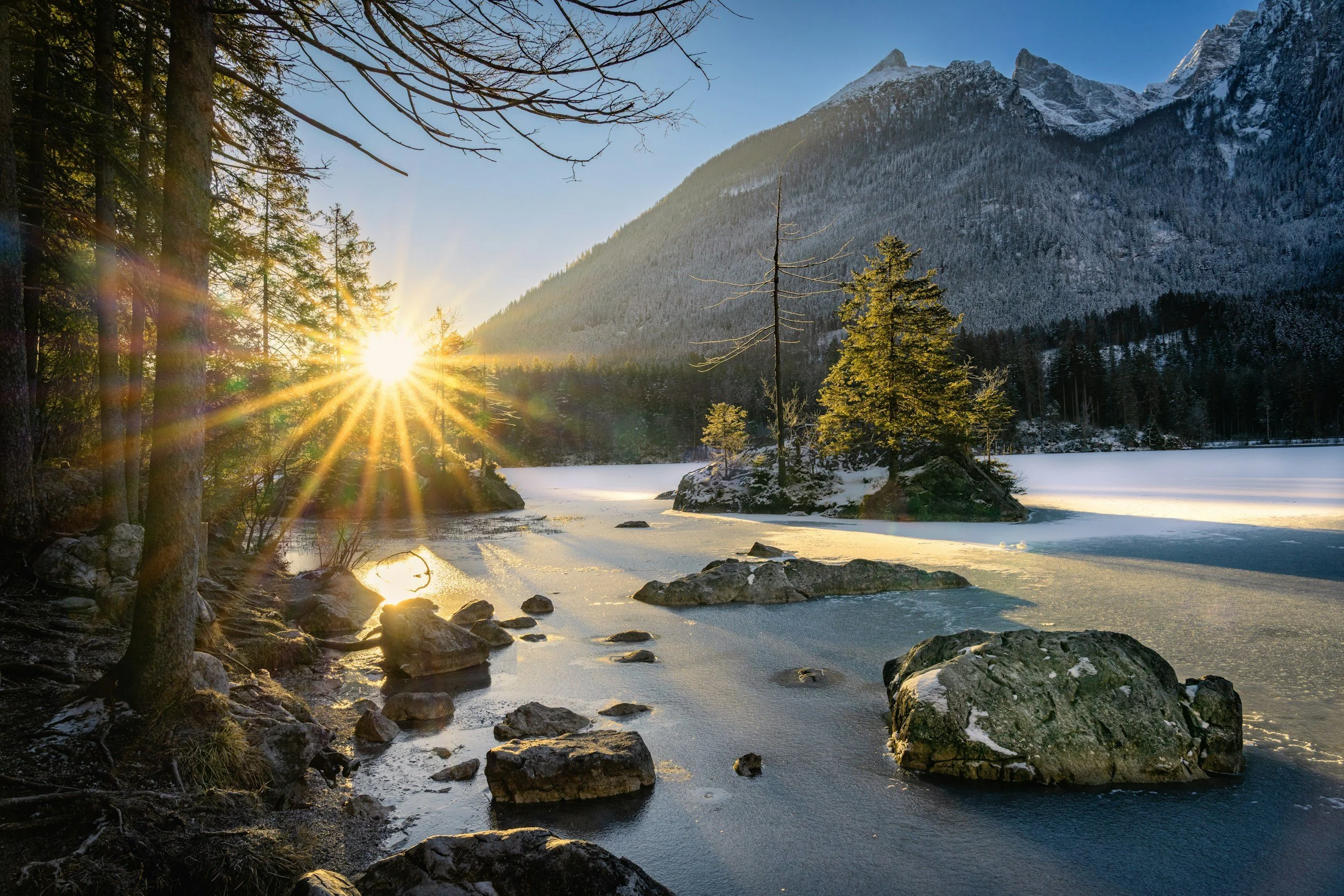
Denver's winter weather defies conventional expectations for a major metropolitan area at this latitude. The city receives approximately 60 inches of snow annually, yet maintains a reputation for mild, sunny winter days that keep residents active and engaged.
The phenomenon known as "Chinook winds" brings rapid temperature swings that can melt significant snowfall within 24 hours. These warm air masses flowing down from the mountains create conditions where a morning snowstorm transforms into afternoon sunshine and 50-degree temperatures. This weather pattern differentiates Denver from comparable cities and influences everything from infrastructure to lifestyle choices.
January remains the coldest month, with average highs around 45°F and lows near 18°F. However, these statistics mask the reality of Denver's winter experience. The intense sunshine at 5,280 feet elevation means that even when air temperatures stay cold, surfaces heat up quickly. South-facing properties and neighborhoods benefit significantly from this solar exposure, affecting both comfort and energy costs.
Winter storms typically arrive from late October through April, with the heaviest snowfall occurring in March and April. The city's snow removal infrastructure handles these events efficiently, with major roads cleared within hours. This operational capacity keeps Denver functional throughout winter, distinguishing it from cities where snow paralyzes transportation networks.
Winter Denver Lifestyle and Recreation
The winter Denver lifestyle centers on outdoor recreation access that few metropolitan areas can match. World-class ski resorts operate within 90 minutes of downtown, creating a culture where leaving work early on powder days remains socially acceptable and professionally understood.
Winter Park Resort sits just 67 miles from Denver, offering over 3,000 acres of terrain accessible via a direct drive up I-70. Loveland Ski Area provides even closer access at 53 miles, with high-elevation runs that typically open by mid-October. Arapahoe Basin extends the season into June, allowing dedicated skiers to maintain their routine for eight months annually.
Beyond downhill skiing, winter Denver supports cross-country skiing, snowshoeing, and winter hiking throughout the Front Range. The extensive trail system remains accessible year-round, with many routes becoming more scenic under snow cover. This outdoor infrastructure influences property values in neighborhoods offering quick mountain access, particularly areas near I-70 and Highway 285 corridors.
Downtown Denver maintains its energy throughout winter with outdoor ice skating, holiday markets, and cultural events that embrace rather than retreat from cold weather. The 16th Street Mall stays active with restaurants, shopping, and entertainment that functions year-round. This urban vitality attracts buyers who want metropolitan sophistication alongside mountain access.
Professional sports add another dimension to winter Denver culture. The Denver Nuggets and Colorado Avalanche play at Ball Arena downtown, creating a social calendar that keeps the city engaged throughout the coldest months. These entertainment options matter for buyers evaluating neighborhoods, particularly those considering downtown or nearby areas with light rail access.
Neighborhoods That Excel in Winter
Certain Denver neighborhoods offer distinct advantages during winter months based on their orientation, elevation, infrastructure, and community character. These factors influence both daily comfort and long-term property value.
Cherry Creek provides walkable access to indoor shopping, dining, and entertainment within an established residential area. The neighborhood's mature tree canopy and south-facing lots create natural warming in winter, while its proximity to downtown eliminates weather-dependent commutes. Properties here typically command premium prices, reflecting the neighborhood's year-round functionality.
Washington Park attracts active residents who embrace winter recreation. The park's 2.6-mile loop remains popular with runners and cyclists throughout winter, while the neighborhood's classic architecture and strong community identity appeal to buyers seeking established character. South-facing homes along the park's eastern edge benefit from maximum solar exposure.
Highland offers a younger demographic with walkable restaurants, breweries, and shops concentrated along West 32nd Avenue. The neighborhood's location northwest of downtown provides excellent mountain views while maintaining urban density. Winter walkability ranks high here, with residents able to access most daily needs without driving.
Stapleton (now called Central Park) features modern infrastructure designed with Denver's climate in mind. Wide sidewalks with efficient snow removal, abundant parks, and new construction built to current energy standards make winter living comfortable. The neighborhood attracts families prioritizing modern amenities and strong schools.
For buyers seeking luxury properties with mountain access, Evergreen and Genesee provide foothills living within a 30-45 minute drive of downtown. These communities experience heavier snowfall than Denver proper, creating a mountain aesthetic while maintaining access to urban amenities. Properties here appeal to buyers who prioritize privacy, views, and immediate trail access over walkable urban density.
Understanding these neighborhood differences becomes critical when evaluating properties for winter livability. South-facing lots, garage configurations, snow removal practices, and proximity to cleared routes all affect daily experience during the coldest months.
Winter Real Estate Considerations
Winter Denver influences real estate decisions in ways that affect both immediate comfort and long-term investment value. Smart buyers evaluate properties through a winter-specific lens that many transplants initially overlook.
Solar orientation dramatically impacts heating costs and daily comfort. South-facing properties capture maximum winter sun, reducing heating expenses by 20-30% compared to north-facing homes. This orientation proves especially valuable in neighborhoods with mature tree cover, where summer shade becomes winter warmth. Properties marketed by experienced brokers typically highlight this feature, recognizing its financial impact over time.
Garage configuration matters more in Denver than many comparable markets. Direct garage access from living space eliminates the daily challenge of brushing snow off vehicles and loading children in cold weather. Properties with heated garages command premiums, particularly in luxury segments where three-car configurations become standard. New build Denver homes increasingly incorporate these features as builders recognize their market value.
Snow removal infrastructure varies significantly by neighborhood and HOA. Some communities provide comprehensive service including sidewalks and driveways, while others require individual property management. This operational difference affects both lifestyle convenience and ongoing costs. Buyers evaluating properties should understand these service levels before committing, as they influence winter livability more than most initially recognize.
Energy efficiency takes on heightened importance during Denver's winter months. Modern construction with quality insulation, efficient HVAC systems, and high-performance windows significantly reduces operating costs. Older homes may require upgrades to achieve comparable comfort and efficiency. These improvements often provide strong returns on investment, both through reduced utility bills and enhanced marketability.
The winter real estate market itself follows predictable patterns that savvy buyers can leverage. Listing inventory typically decreases from December through February, creating less competition but also fewer options. Properties that remain listed through winter often represent motivated sellers, potentially creating negotiation opportunities. However, the best properties in desirable neighborhoods rarely last long regardless of season.
Embracing the Winter Denver Experience
Denver's winter season reveals the city's true character. While summer attracts attention with its perfect weather and outdoor festivals, winter separates those who simply visit from those who truly belong. The season demands certain accommodations but rewards them with experiences unavailable in milder climates.
The ritual of checking snow conditions before leaving for the mountains becomes as routine as checking traffic. Many Denver professionals keep ski gear in their vehicles throughout winter, ready to extend the workday into evening powder runs. This lifestyle flexibility attracts people who refuse to let cold weather restrict their activities.
The city's cultural scene intensifies during winter months. The Denver Art Museum draws larger crowds when outdoor activities become less accessible. Theater performances, concerts, and dining experiences benefit from a population that stays engaged rather than hibernating. This cultural vitality distinguishes Denver from purely recreational mountain towns that empty when slopes close.
For families, winter Denver creates traditions around sledding, ice skating, and holiday events that define childhood memories. Denver's safest neighborhoods become even more tight-knit during winter, with community events and shared outdoor activities building connections that last year-round.
The physical demands of winter living require certain adaptations. Quality winter clothing becomes an investment rather than an expense. Four-wheel or all-wheel drive vehicles provide necessary capability and insurance savings. Home preparation includes window insulation, gutter maintenance, and irrigation system winterization. These requirements become routine for established residents but surprise many newcomers during their first Denver winter.
Making Informed Winter Property Decisions
Evaluating Denver real estate through a winter lens requires local expertise that extends beyond basic market knowledge. Understanding how different neighborhoods function during cold months, recognizing which property features provide genuine value, and anticipating operational costs specific to winter living all contribute to sound investment decisions.
Properties marketed as having "great natural light" deserve scrutiny during winter site visits. Does that light provide actual warming, or does it simply create visual appeal? South-facing windows and skylights offer both, while north-facing glass provides illumination without thermal benefit. This distinction affects both comfort and energy costs throughout Denver's extended winter season.
Proximity to major routes cleared by city services becomes more valuable during winter months. Living on a well-maintained arterial provides different winter access than residing on a quiet residential street that may wait days for clearing after heavy snow. This operational reality influences property values in ways that summer viewings cannot reveal.
The mountain access equation changes significantly with winter conditions. A 90-minute summer drive can extend to three hours during winter storms or weekend powder traffic. Properties near I-70 or Highway 285 offer tangible time savings that accumulate throughout the season. For buyers prioritizing ski access, this geographic advantage justifies premium pricing in certain neighborhoods.
Your Guide to Winter Denver Living
Denver's winter season offers a distinctive lifestyle that combines urban sophistication with mountain recreation. The city's unique climate, efficient infrastructure, and active culture create conditions where winter enhances rather than limits daily life. This seasonal character influences property values, neighborhood appeal, and long-term satisfaction in ways that require local expertise to fully understand.
After two decades guiding clients through Denver's real estate market, I've helped buyers identify properties that excel during winter while maintaining year-round appeal. The neighborhoods that function best in cold weather, the property features that provide genuine value, and the seasonal considerations that affect long-term satisfaction - these insights come from experience living through and understanding Denver's winters.
Whether you're drawn to living in Denver for its winter recreation, professional opportunities, or year-round lifestyle, choosing the right property and neighborhood shapes your experience. Winter reveals which properties deliver on their promises and which neighborhoods maintain their vitality regardless of temperature.
The distinctive character of winter Denver deserves experienced guidance. If you're considering a move to the Mile High City or evaluating neighborhoods for their winter functionality, I invite you to draw on my proven market knowledge and local expertise. Contact Urban Ground Homes to discuss properties that excel during Denver's defining season and discover neighborhoods that align with your winter lifestyle priorities.